New Address: 897 N MacArthur Blvd, Ste 120, Coppell TX 75019





Exercise is one of the most effective ways to support long-term health, especially for people managing chronic conditions such as diabetes, heart disease, arthritis, or high blood pressure. Regular physical activity can improve strength, mobility, cardiovascular health, and overall well-being.
However, exercise is only one part of the equation. Rest and recovery give the body time to repair, adapt, and restore energy after physical activity. Balancing exercise with adequate recovery can help manage chronic conditions more effectively while reducing the risk of setbacks and injury.
Exercise strengthens muscles, supports heart health, improves flexibility, and contributes to better mental health. It also plays an important role in managing many chronic health conditions.
At the same time, the body needs adequate recovery to repair tissues, replenish energy stores, and adapt to physical activity. Without enough rest and recovery, the benefits of exercise may be reduced, and the risk of fatigue, injury, and burnout can increase. A sustainable routine includes both movement and recovery.
During periods of rest, the body carries out important healing and repair processes that support overall health. Recovery is especially important for people managing chronic conditions, as it allows the body to respond to physical activity without becoming overwhelmed.
Adequate rest and recovery may help:
Just as importantly, quality sleep and wellness go hand in hand. Consistent, restorative sleep allows the body to recover more efficiently and prepares it for future physical activity.
Pushing through fatigue is not always beneficial, particularly when living with a chronic condition. Ignoring the body's signals may slow progress and increase the likelihood of injury or illness.
Feeling unusually tired despite getting enough sleep or struggling to complete everyday activities may indicate that your body has not fully recovered from physical activity.
Some soreness after exercise is normal, but discomfort that lasts for several days or continues to worsen may be a sign that your body needs additional recovery time.
If workouts begin to feel harder than usual or you notice reduced strength, endurance, or motivation, inadequate recovery may be affecting your performance. Slower recovery between exercise sessions can also indicate that the body needs more rest.
Exercising without enough recovery can eventually lead to overtraining symptoms, such as:
Recognizing these warning signs early allows you to adjust your routine before they begin affecting your overall health.
Supporting rest and recovery doesn't require complicated routines. Small, consistent habits can make a meaningful difference.
Recovery needs are different for everyone. Factors such as age, overall fitness, the type of chronic condition, and an individual's treatment plan all influence how much rest the body needs after exercise.
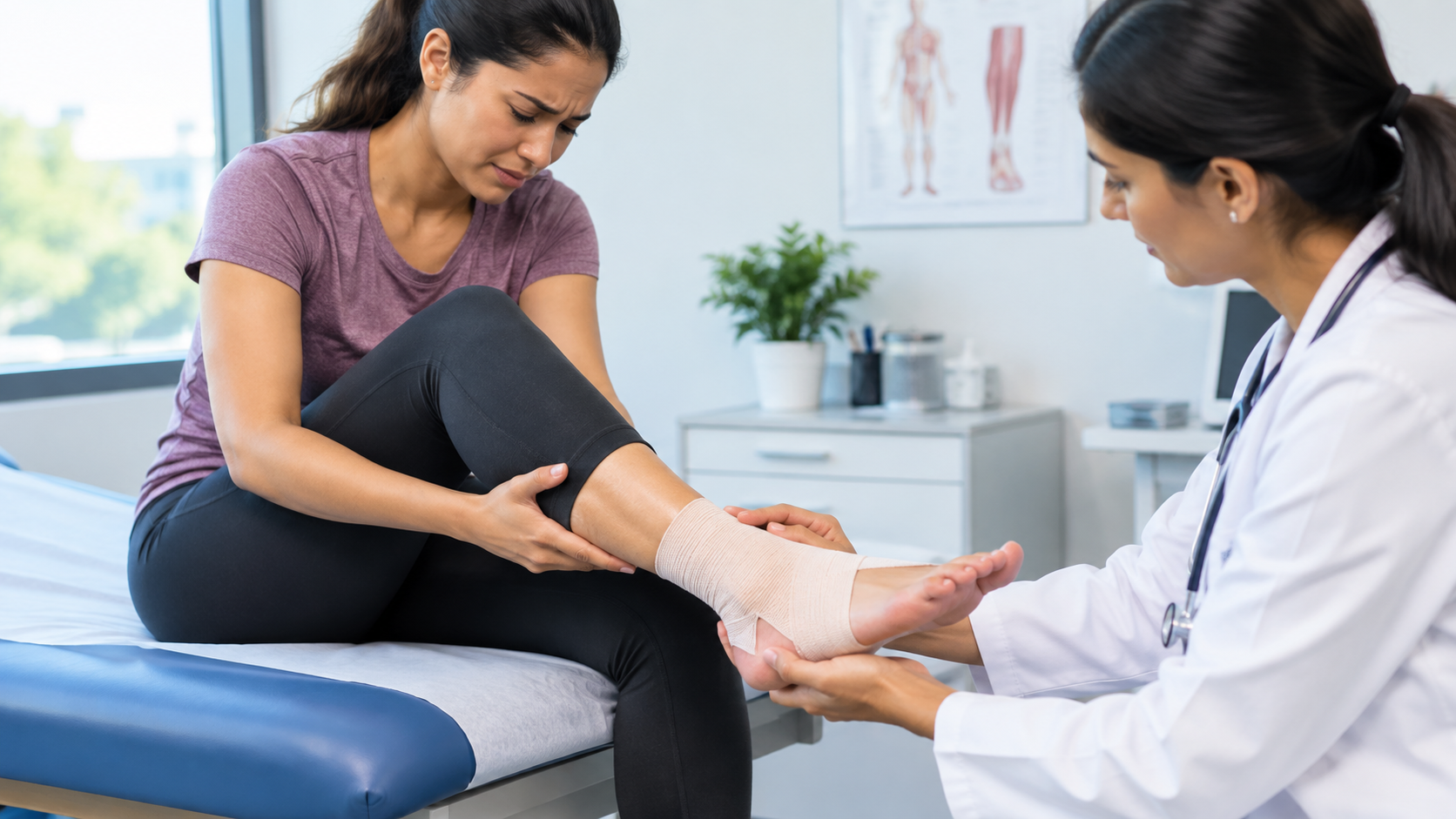
Working with a healthcare provider or physical therapist can help you develop an exercise routine that balances activity with appropriate recovery. At Apex Primary Wellness, our Apex In Motion Physical Therapy program provides personalized rehabilitation and movement plans designed to improve strength, mobility, and function while reducing the risk of injury and overtraining symptoms.
Rather than pushing through discomfort, gradually increasing activity under professional guidance can help you stay active safely while supporting long-term health.
Exercise is an essential part of chronic condition management, but it works best when paired with adequate rest and recovery. Giving your body time to heal can reduce inflammation, restore energy, improve physical performance, and support long-term wellness.
Paying attention to overtraining symptoms, prioritizing sleep and wellness, and following a balanced exercise routine can help you stay active without placing unnecessary stress on your body. Finding the right balance between movement and recovery is key to maintaining your health for years to come.
Managing a chronic condition doesn't mean choosing between staying active and protecting your health. At Apex Primary Wellness, we work with you to develop personalized wellness plans that include safe physical activity, proper recovery, and long-term lifestyle strategies tailored to your needs.
Book an appointment with our team today to create an exercise and recovery plan that supports your health goals, improves your quality of life, and helps you stay active with confidence. Rest days allow your body to recover, repair tissues, and restore energy, helping reduce the risk of injury and burnout. Common overtraining symptoms include persistent fatigue, prolonged muscle soreness, trouble sleeping, irritability, elevated resting heart rate, and reduced exercise performance. Yes. Exercising without adequate recovery may increase inflammation, fatigue, and the risk of injury, making some chronic conditions more difficult to manage. Recovery needs vary based on your age, fitness level, health condition, and the intensity of your workout. Your healthcare provider can recommend a routine that is right for you. In many cases, light activities such as walking or gentle stretching can support recovery by improving circulation and reducing stiffness. However, the best approach depends on your individual health needs.Frequently Asked Questions (FAQs)