Notice: Coppell Office Moving Soon | New Address: 897 N MacArthur Blvd, Ste 120, Coppell TX 75019


Heart disease rarely announces itself early. For many people, it develops silently over the years, showing little to no symptoms until a serious event occurs. This is why cardiac screening plays such a critical role in protecting long-term heart health.
One of the most common misconceptions is that heart screening is only necessary for older adults. In reality, the right time to begin depends on your risk factors, lifestyle, and family history, not just your age. Understanding when to get cardiac screening can help you take action before problems become serious.
Let's explore who should consider heart health screening, when to start, and why early screening matters more than most people realize.
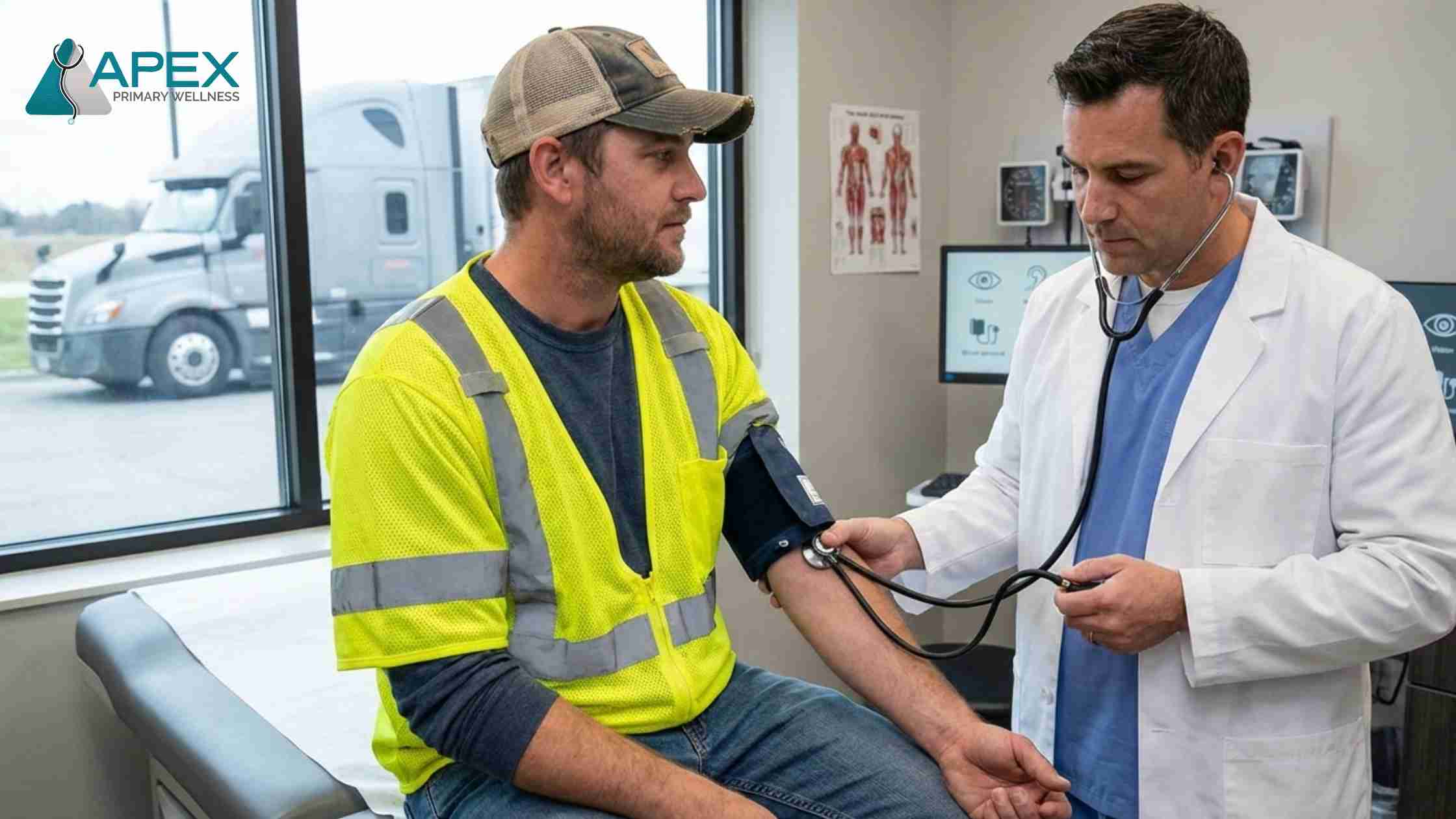
A routine check-up focuses on general health markers such as weight, blood pressure, and basic lab tests. A cardiac health screening goes deeper by specifically evaluating how well your heart is functioning and identifying potential risks for heart disease.
During a heart health screening, doctors may review blood pressure, cholesterol levels, blood sugar, heart rhythm, and overall cardiovascular risk. Some screenings also include imaging or stress-based tests when needed.
The goal of heart screening is early detection. Identifying risks early allows doctors to recommend lifestyle changes or treatment before conditions progress into heart attacks, strokes, or long-term complications.
Many people assume heart disease cannot affect them this early, but this is when long-term risk factors often begin. A baseline heart screening is recommended for adults who have a family history of heart disease or sudden cardiac events. Lifestyle-related risks such as smoking, high stress, poor diet, lack of exercise, and weight gain can start affecting heart health in these decades. A baseline screening helps establish what "normal" looks like for your heart and allows doctors to track changes over time.
Your 40s are a critical decade for cardiovascular health. Blood pressure, cholesterol, and blood sugar levels often begin to rise, even in people who feel healthy. This is typically when doctors recommend a more comprehensive cardiac health screening. Many early warning signs of heart disease are subtle or mistaken for aging, fatigue, or stress. Screening during this stage can catch issues before they become more serious.
After age 50, the risk of heart disease increases significantly. Screenings are often done more frequently and focus on prevention rather than symptom-based testing. At this stage, heart screening helps monitor existing risk factors, detect new changes, and guide long-term prevention strategies. Regular monitoring becomes especially important for maintaining quality of life.
You should consider a heart screening sooner if you experience symptoms such as chest discomfort, shortness of breath, unexplained fatigue, dizziness, or irregular heartbeats.
Other critical indicators include high blood pressure, elevated cholesterol, or high blood sugar levels. Even without symptoms, lifestyle factors like a sedentary routine, smoking, obesity, or chronic stress can significantly increase cardiovascular risk.
A family history of heart disease or sudden cardiac events is one of the strongest reasons to seek early cardiac health screening.
Most heart screenings begin with basic tests such as blood pressure measurement and cholesterol checks. An electrocardiogram (ECG) may be used to evaluate heart rhythm and electrical activity.
Stress testing assesses how the heart performs during physical activity, while an echocardiogram provides detailed images of the heart's structure and function. Individuals with higher risk may need advanced screenings based on their medical history and test results.
Not everyone needs every test. The type of screening depends on age, symptoms, and overall risk level.
For adults with low cardiovascular risk, basic heart screening every few years may be enough. As risk factors increase, doctors often recommend more frequent screenings.
Follow-up screenings are essential because heart health can change over time. Regular monitoring helps track progress, adjust prevention strategies, and catch new issues early.
Some people should consider cardiac screening earlier and more frequently. This includes individuals with a genetic predisposition to heart disease, diabetes, or metabolic conditions.
Chronic stress, poor sleep, and modern lifestyle habits such as prolonged sitting or irregular eating patterns also increase the risk of cardiovascular diseases (CVDs). These factors often go unnoticed but can significantly impact heart health over time.
Cardiac screening alone cannot prevent heart disease, but it is a powerful tool in prevention planning. Screenings identify risks early, allowing for timely lifestyle changes, medical management, and ongoing monitoring.
When heart disease is detected early, outcomes are consistently better. Early intervention reduces the likelihood of serious complications and improves long-term heart health.
Preparing ahead of your appointment helps ensure your heart screening is thorough and personalized.
Taking these steps allows you to have a more informed conversation with your doctor and make confident decisions about your heart health.
The right time to get your first cardiac screening is based on your personal risk factors, not just your age. Waiting for symptoms often means heart issues have already progressed. Proactive heart health screening helps identify risks early and allows you to take control before problems become serious.
At Apex Primary Wellness, our team focuses on preventive care and personalized heart health guidance. If you are unsure when to begin cardiac screening, our team is here to help you understand your risk and choose the proper next steps. Contact us today to schedule your cardiac screening and take an informed step toward protecting your long-term heart health.FAQs
Smoking, poor diet, lack of physical activity, chronic stress, and obesity can all increase cardiovascular risk early in life.The core screening tests are similar, but risk factors and symptom patterns may differ, which can influence screening recommendations.Yes. High levels of physical activity can sometimes mask underlying heart conditions, underscoring the importance of screening even for active individuals.Heavy or long-term alcohol use can affect blood pressure, heart rhythm, and overall heart health, increasing the need for earlier screening.Yes. A baseline heart screening helps identify silent risk factors and establishes a reference point for future monitoring.