New Address: 897 N MacArthur Blvd, Ste 120, Coppell TX 75019

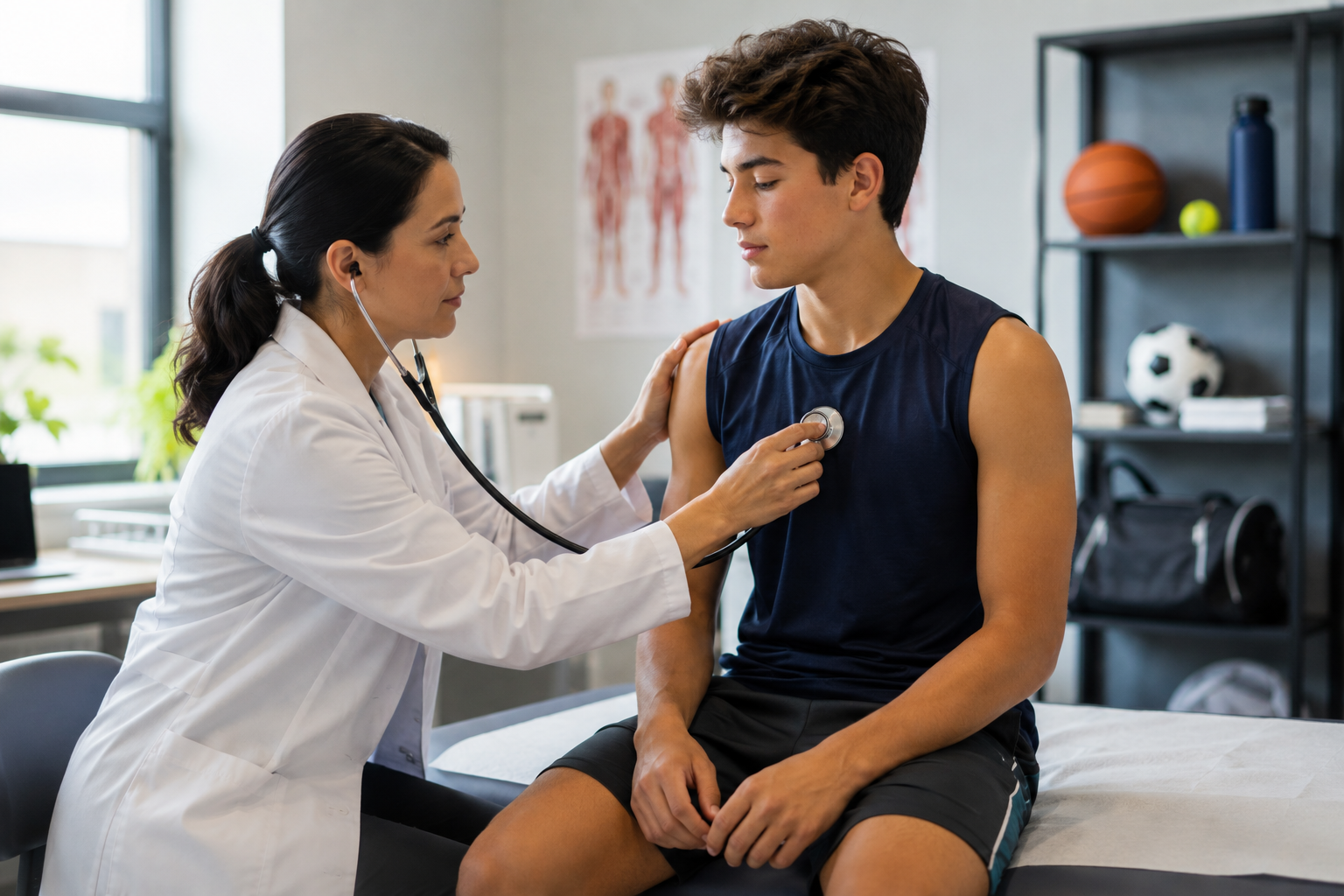



Participating in school or organised sports can provide numerous physical, mental, and social benefits for young athletes. Before stepping onto the field, court, or track, however, many schools and athletic programmes require a sports physical, also known as a pre-participation physical exam (PPE), to help ensure students can participate safely.
A pre-participation physical is designed to identify potential health concerns that may affect athletic performance or increase the risk of injury. Beyond meeting school requirements, these evaluations play an important role in supporting student-athlete wellness and promoting long-term health.
A sports physical differs from an annual wellness exam. While both are important, a sports physical focuses specifically on determining whether a student can safely participate in athletic activities.
During a pre-participation physical exam, healthcare providers assess factors that may affect performance or safety, such as previous injuries, medical conditions, and overall physical readiness.
This preventive approach helps support student-athlete wellness and encourages safe participation throughout the sports season.
Understanding what to expect from a sports physical can help athletes and parents feel more prepared for the appointment. Here are five important things every student-athlete should know before a sports physical.
Many parents assume a sports physical replaces a routine wellness visit, but the two serve different purposes.
A sports physical focuses on athletic participation and identifying concerns that could affect safety during sports. An annual wellness exam provides a broader review of overall health, preventive care, immunisations, and ongoing medical needs.
Depending on school requirements and individual health needs, some students may benefit from both appointments.
A large part of a pre-participation physical exam involves reviewing medical history.
Providers may ask about:
Providing accurate information helps healthcare providers make informed recommendations and determine whether additional evaluation is necessary before participation.
Many student-athletes are surprised to learn that a sports physical involves more than height, weight, and blood pressure checks.
A typical evaluation may include:
These assessments help identify potential concerns before sports participation begins and can reduce the risk of injury during the season.
A common misconception is that a pre-existing medical condition automatically disqualifies a student from sports.
In reality, healthcare providers evaluate each athlete individually. Conditions such as asthma, diabetes, or previous injuries often require monitoring and proper management rather than complete restriction from athletic activities.
Following medical recommendations and treatment plans can help many student-athletes participate safely while supporting ongoing student-athlete wellness.
Waiting until the last minute to schedule a sports physical can create unnecessary stress for families.
Completing the evaluation well before the season starts provides time for any follow-up testing or specialist referrals that may be needed. It also helps ensure students meet school and athletic programme deadlines without rushing.
A little preparation can help make the appointment more efficient.
Before your visit:
Being prepared helps providers complete a thorough evaluation and address any concerns before the season begins.
A pre-participation physical exam is more than a school requirement. It is an important step in helping student-athletes participate safely and confidently in sports. Understanding the differences between a sports physical and a routine checkup, providing an accurate medical history, knowing what the exam includes, recognising that many medical conditions can be managed, and scheduling early can help make the process smoother for athletes and families.
Regular pre-participation physicals support injury prevention, identify potential health concerns, and promote long-term student-athlete wellness, helping young athletes stay healthy both on and off the field.
Whether your child is participating in sports for the first time or preparing for another competitive season, a timely sports physical is an important part of staying healthy and ready to play.
At Apex Primary Wellness, our team provides comprehensive evaluations to help student-athletes meet participation requirements and address any health concerns before the season begins. Schedule an appointment today to help your student start the season with confidence. Most schools and athletic organisations require a sports physical annually, although specific requirements may vary. A sports physical may include a review of immunisation status, but it does not automatically replace immunisation documentation required by schools. Any new symptoms should be evaluated by a healthcare provider, even if the student has already completed a sports physical. Requirements vary by institution and athletic programme. Students should confirm specific requirements with their school or organisation. In many cases, yes, provided the physical remains valid and meets the requirements of each sport or organisation.Frequently Asked Questions (FAQs)